

Skin Asepsis
Novapharm has developed and validated a full range of inter-compatible ‘next generation’ EVO skin asepsis products which significantly outperform all products available in the global infection control market with respect to both antimicrobial efficacy and skin care
Every product has been formulated with advanced petroleum free surfactant systems as well as proprietary long-lasting moisturising, emollient & barrier properties to maintain skin health. The Intra-dermal penetrating technology addresses not only problems associated with resident organisms, but also transient organisms, which are the cause of so many nosocomial infections.
The inter-compatibility technology means that all products in our “EVO” range can be used in an integrated fashion, eliminating well acknowledged problems associated with chemical incompatibility leading to biocide deactivation.
Due to Novapharm’s proprietary formulation and dispensing “know-how”, production costs throughout the range remain highly cost competitive.
Built in gloving and barrier properties throughout the range provide a major customer benefit unmatched in any other skin asepsis range.

SOCIAL

Consisting of social i.e. non-registered hand, skin and body products including:
- Lotions
- Hand wash
- Body wash
- Moisturisers
CLINICAL

Includes ward and clinic antiseptics (EN1500 Compliant):
- Leave-on Rubs and gels
- Leave-on Aqueous Foam
- Leave-on Moisturising antiseptic
SURGICAL
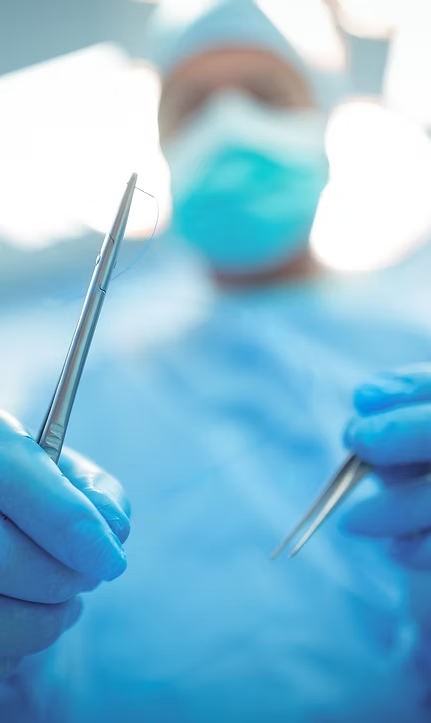
A broad range of surgical antiseptics including:
- Scrubs
- Alcohol rubs
- Multiple actives – CHG, Triclosan, PVP/I
SKIN PREPS
Procedural and surgical site infections create difficult and complex clinical scenarios. A source of many of these infections has been shown to be via the skin flora itself making effective skin preparation at the time of the procedure critical.
Surgical Site Infections (SSI) are reported to be the third most frequently occurring Healthcare Associated Infection (HAI) among hospitalised patients. Surgical site infections (SSI’s) complicates an estimated 5% of all clean-contaminated operations performed annually in US hospitals and accounts for the most common nosocomial infection in surgical patients.
Patients who develop SSI have longer and costlier hospitalizations and are more likely to spend time in an intensive care unit (ICU), are 5 times more likely to be readmitted, and are twice as likely to die.